
Body Systems NGSS STANDARDS
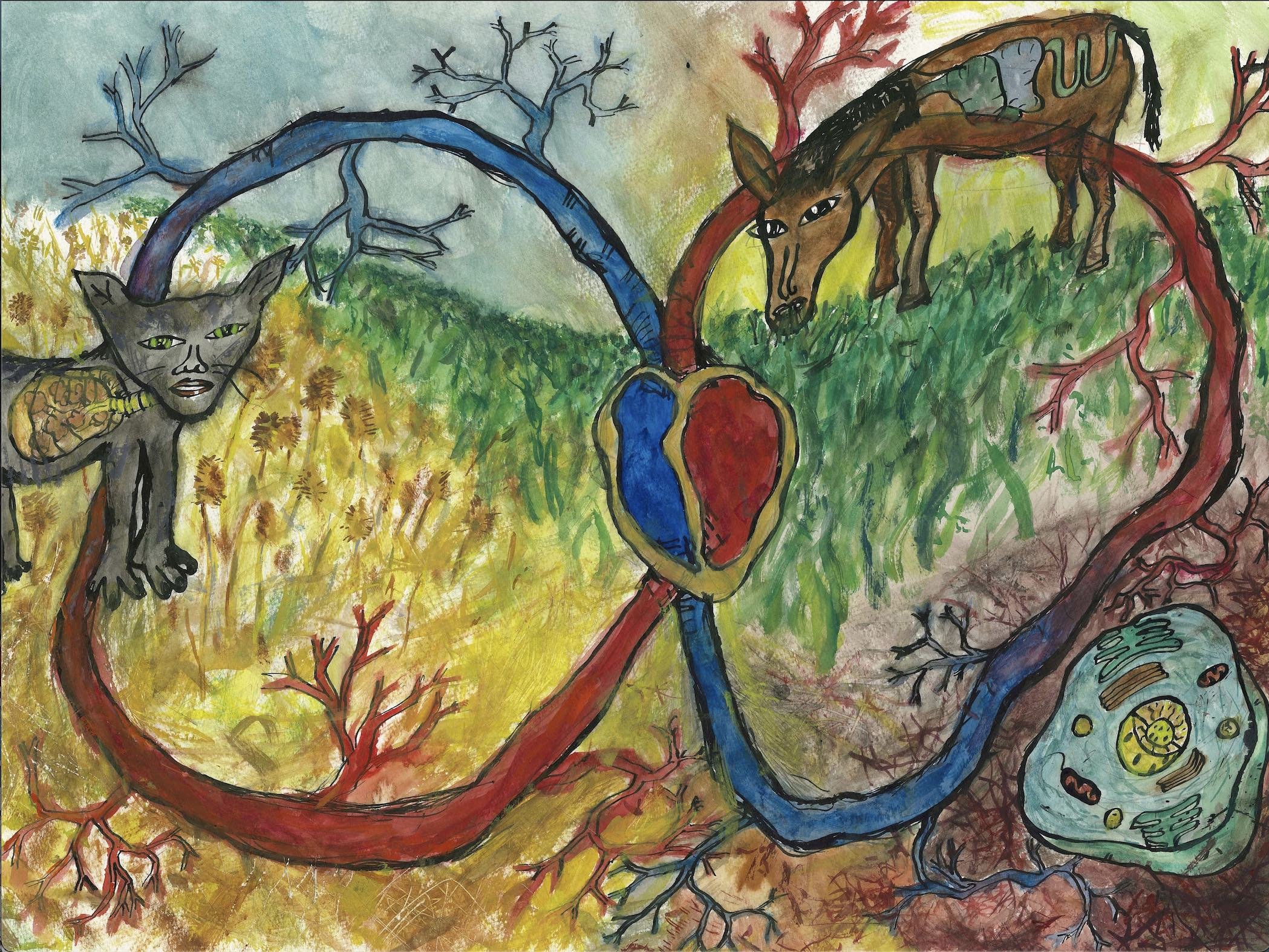
In the Next Generation Science Standards (NGSS), human body systems are not treated as a standalone memorization unit (like learning the 11 separate organ systems in isolation). Instead, they are framed through the lens of systems thinking, structure and function, and biological organization.
They primarily live within Middle School Life Science (MS-LS1) under the Disciplinary Core Idea LS1.A: Structure and Function.
1. The Core Performance Expectations (PEs)
Human body systems explicitly drive a few key standards, most notably:
MS-LS1-3 (Interacting Subsystems): “Use argument supported by evidence for how the body is a system of interacting subsystems composed of groups of cells.”
What this means: Students look at how cells form tissues, tissues form organs, and organs form specialized subsystems. The focus is heavily on how these systems cooperate (e.g., how the respiratory and circulatory systems work together to deliver oxygen) rather than memorizing a single system in a vacuum.
Assessment Boundaries: NGSS limits standard middle school assessment of interacting subsystems to the circulatory, excretory, digestive, respiratory, muscular, and nervous systems.
MS-LS1-8 (Information Processing): “Gather and synthesize information that sensory receptors respond to stimuli by sending messages to the brain for immediate behavior or storage as memories.”
What this means: This targets the nervous system and sensory organs, focusing on the pathway of inputs, signal transmission, and brain processing.
2. How the Framework Approaches the Body
Rather than traditional anatomy lists, the NGSS uses three dimensions to teach the human body:
Disciplinary Core Ideas (Content): Multicellular organisms are categorized as hierarchical systems. Subsystems (groups of cells $\rightarrow$ tissues $\rightarrow$ organs $\rightarrow$ systems) have specific jobs to support the overall organism.
Science & Engineering Practices (Skills): Students are expected to develop and use models (like diagramming how food is processed and energy is distributed) and engage in argument from evidence (e.g., arguing how a failure in one subsystem impacts the entire body).
Crosscutting Concepts (Big Ideas):
Systems and System Models: Understanding boundaries and how a system relies on the interaction of its parts.
Structure and Function: Analyzing how the physical shape or cellular makeup of an organ (like the alveoli in lungs or the structure of a bone) directly dictates what it can do.
3. Where Else Do They Appear?
Elementary School (K–5): While specific body systems aren’t heavily mandated with formal codes in early elementary, K-2 and 3-5 life science touches on basic organism survival, external/internal structures, and how animals (and humans) use different body parts to sense environments, grow, and survive.
High School (HS-LS1): The concepts scale up significantly. High school standards move away from organ-system-level interactions and zoom inward to cellular processes (DNA, protein synthesis, cellular respiration, mitosis, and feedback mechanisms for homeostasis). The human body is then used as a complex model to study feedback loops (e.g., how the endocrine or nervous system maintains internal stability).
Suggested LINKS:
1. Start with the Draw Sound Series here. Draw along with Draw Sound videos 1-6.
2. Listen to, read, and sing along with sound music videos here
3. Listen to and read along with sound illustrated texts here.
4. Read and write a story about sound here
5. Read and write poems about sound here.